
Learning how to write threads for X and Threads becomes much easier when you stop treating “good content” as one mysterious quality and start looking at the parts you can improve.
Think of a character’s stat bar in a video game. Strength, speed and healing power tell you different things about what that character can do. A strong character is built through a combination of abilities, rather than one impressive number.
A thread works in a similar way. It can be useful but hard to read. Easy to scan but irrelevant. Full of interesting facts but missing a reason to keep going. Looking at those qualities separately gives you a more practical way to improve the whole.
Instead of asking only “Is this good writing?”, you can ask: did it provoke curiosity? Was it relevant to the audience? Was it easy to follow? Did it give the reader something they could use? That changes thread writing from a vague creative exercise into a set of choices you can make deliberately.
This guide follows that process from the first planning decision to the final edit. The detailed hook examples, annotated client screenshots and worked rewrite show what those choices look like in practice.
The screenshots were created by Personify and supplied with account names and logos obscured. We analyse their structure here; they are not presented as evidence that any particular writing change caused a measured performance lift.
Start with the right goal: improve your average
The goal is not usually to make every thread go viral. For most expert-led businesses, niche brands, and service-based companies, the better goal is to increase the average performance of all content. That means building repeatable structures, clear systems, and dependable writing principles rather than constantly chasing trends.
Trend-based content can work, but continually chasing it can be:
- time-consuming
- inconsistent
- harder to repeat
- less suited to narrower or more technical topics
Unless you are a very broad creator, media brand, or commentary account, improving your average is usually the smarter strategy. A repeatable improvement can benefit the next thread as well as the one you are editing now.
If your average post becomes:
- more clickable
- more readable
- more useful
- more shareable
then you have a clearer basis for improving performance across the body of work, even without breakout numbers. This is usually a far more stable and scalable way to grow. You are not relying on one post to explode.
You are improving the system behind every post.

For an example of an ongoing approach in practice, see our X content strategy case study. Keep the reported results and timeframe separate from the illustrative rewrites in this article.
To improve that average, you need to recognise which parts of the writing are helping the reader and which are holding them back.
The six “stats” behind high-performing threads
The stat-bar analogy is useful because it separates the qualities that make a thread worth reading. We use six variables when planning and editing educational content. They are questions to ask of the writing, not literal scores or a formula for how a platform will distribute it.
- Curiosity: does the opening give the right reader a question they want answered? Does the explanation keep creating reasons to continue?
- Relevance: is it obvious who this is for and why it matters to them? A compelling fact for one audience can be unimportant to another.
- Scannability: can someone see the shape of the post at a glance? Spacing, short paragraphs and clear grouping help readers find their way in.
- Ease of reading: once they begin, can they follow the thought without working through tangled sentences or unexplained terms?
- Practicality: what does the thread help them understand, decide, explain or do? Useful content gives the reader something beyond a fact to remember.
- Novelty of topic or angle: does it offer a fresh way into the subject? The topic can be familiar if the question, comparison or interpretation is distinctive.
These qualities work together. A surprising hook cannot rescue a body that never answers it. Extra detail can improve usefulness while making a post harder to scan. The task is to make the right trade-offs for the audience and the idea.
This is why every word should have a reason to be there. Sometimes a line creates tension. Sometimes it explains a difficult distinction, makes the idea memorable, or gives the thread a more human voice. Those are all useful jobs.
You do not need to strip the writing down to dry minimalism. You need to remove what contributes nothing. We will use these six lenses throughout the guide, then bring them together in the final editing pass.
Start with relevance and novelty: decide what the audience needs from this topic, then choose a format that will let the idea unfold.
Plan your thread: choose the angle and format
Before writing the opening, separate two decisions. The angle is the reason this topic will matter to your reader. The format is the way you will develop that idea across the posts.
Find a sharper angle on a familiar topic
Novelty does not mean you need a brand-new topic. Most niches repeat the same broad topics over and over.
Novelty more often comes from:
- a fresh angle
- better framing
- a more relevant comparison
- a more useful interpretation
- a tighter connection between fields
Most industries do not suffer from a lack of topics. They suffer from repetitive framing.
Examples of novelty through the angle
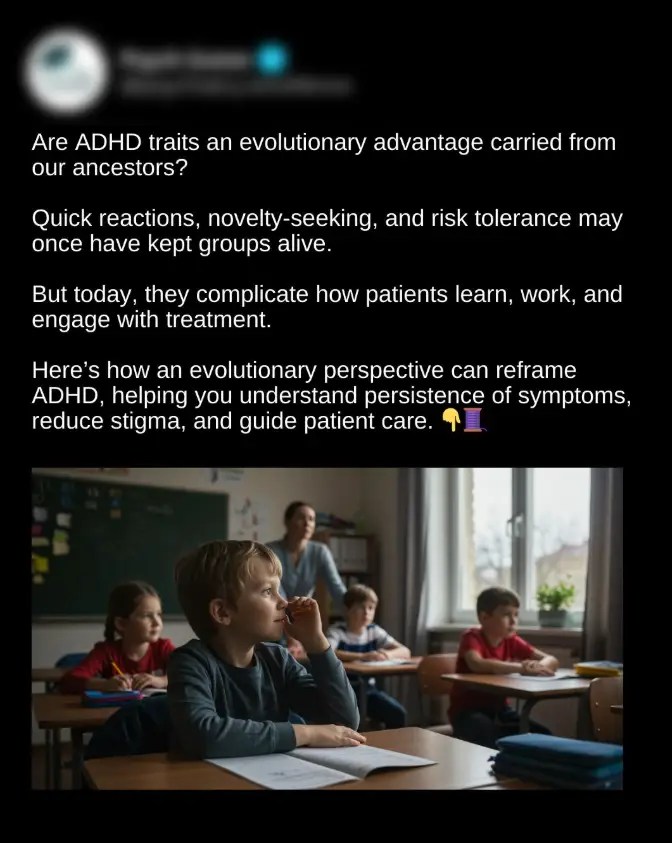
- COVID, but through neuropsychiatric sequelae.
- Freud, but through modern network neuroscience.
- Antidepressants, but through comparative efficacy and tolerability.
- Gabapentinoids, but through misuse risk and prescribing nuance.
- Marketing, but through buyer psychology instead of tactics.
- Content, but through average performance instead of virality.
These topics are not new in themselves. What makes them stronger is the angle. That matters because many writers think they need new topics, when often they simply need a more compelling way of approaching familiar ones.
Choosing the audience, angle and intended outcome is also part of the wider content strategy. A strong thread should fit what your audience needs from the rest of your content.
Choose a thread format that fits the material
There are three main thread formats:
- Numbered threads
- Concept threads
- Case study threads
This list is not exhaustive, but these three are enough to cover most educational, authority-building, and conversion-focused content. Each format serves a different purpose depending on the source material.
1. Numbered Threads
A numbered thread is the clearest format when your content can be broken into distinct points, lessons, takeaways, mistakes, symptoms, steps, or findings.
Examples:
- 3 mechanisms
- 5 mistakes
- 7 signs
- 9 lessons
Choose the number that fits the material. Odd numbers are sometimes a stylistic preference, but there is no rule here that they reliably outperform even numbers.
When to Choose a Numbered Thread
Use a numbered thread when:
- the source material naturally contains a list
- the reader benefits from a clear promise upfront
- you want stronger scannability
- you want the hook to feel specific and structured
Why Numbered Threads Perform Well
Numbered threads immediately answer the reader’s unconscious question:
“How much information am I about to consume?” A numbered thread lowers uncertainty.
It also makes the content feel:
- more organised
- easier to scan
- more manageable
- more actionable
This is particularly useful on social media, where a reader often decides within seconds whether something feels worth continuing.
The Structure of a Numbered Thread
A numbered thread might look like this:
- Post 1: Hook, contextualiser, curiosity provoker, image
- Post 2: Additional context if needed
- Post 3: Point 1
- Post 4: Point 2
- Post 5: Point 3
- Post 6: Point 4
- Post 7: Point 5
- Post 8: Point 6
- Post 9: Point 7
- Second last post: Summary or practical takeaway
- Final post: Call to action
Not every thread needs all of these. The key is that each post should earn its place.
2. Concept Threads
A concept thread is built around one central topic, mechanism, framework, or idea.
This format is common when:
- the content is explanatory rather than list-based
- the topic unfolds best progressively
- you are explaining a mechanism, framework, model, or idea
- the content benefits from a more fluid structure
When to Choose a Concept Thread
Use a concept thread when the content is best explained step by step rather than broken into rigid points.
This format works especially well for:
- scientific explanations
- concept breakdowns
- theory-to-practice content
- topic reframing
- mechanism-based education
- strategic explanations
Why Concept Threads Perform Well
Concept threads feel more natural and often allow for stronger intellectual flow. Rather than feeling like separate points assembled together, they allow one idea to lead into the next. This can be especially helpful when the value of the thread lies in helping the reader understand a deeper concept rather than simply collecting a set of tips.
The goal is not just to give the reader a list. The goal is to change how they understand the topic.
The Structure of a Concept Thread
A concept thread often follows this kind of flow:
- Post 1: Hook, contextualiser, curiosity provoker, image
- Post 2: Deeper setup or key distinction
- Post 3: Core concept
- Post 4: Mechanism or explanation
- Post 5: Supporting insight or implication
- Post 6: Practical relevance
- Post 7: Summary or meaning
- Final post: Call to action
This style is less rigid than a numbered thread, but the internal logic still matters. Each post should move the reader forward.
3. Case Study Threads
A case study thread explains a topic through a real or representative example. Instead of only teaching the information directly, it shows the idea in action.
When to Choose a Case Study Thread
Use a case study thread when:
- you have a patient case, client case, or scenario
- the topic becomes clearer through an example
- you want to increase relatability and practical relevance
- you want to teach decision-making, not just facts
Why Case Study Threads Perform Well
Case study threads are naturally engaging because stories create momentum. A case or scenario also makes the content easier to visualise and apply. Instead of the reader just hearing a principle, they see how that principle plays out.
This is especially useful in expert-led industries because the audience often needs to understand application, not just information.
The Structure of a Case Study Thread

A case study thread might look like this:
- Post 1: Hook, scenario, tension
- Post 2: Why this case matters
- Post 3: Presenting problem
- Post 4: Key findings or observations
- Post 5: Interpretation or mechanism
- Post 6: What was done
- Post 7: Outcome or insight
- Second last post: Main lesson
- Final post: Call to action
Case study threads are especially effective when your audience values application over theory.
You now know what the thread will explain and how it will unfold. Next, write an opening that makes that explanation worth starting.
How to write a thread opener: hook, context and curiosity
The first post is the main entry point you can design, and deserves substantial attention. If it does not make the relevance and value clear, readers have little reason to explore the rest.
A strong first post has one job:
Get the right person to continue reading. There are two common structures you can use.
The 3-Part Opener
- Hook
- Curiosity provoker
- Image or visual asset
This structure works well when the topic is already familiar and does not need much setup.
The 4-Part Opener
- Hook
- Contextualiser
- Curiosity provoker
- Image or visual asset
For educational and expert-led threads, the four-part opener is a useful default because it combines attention, context and relevance. Omit a part when it adds nothing. Each line of the first post should stack curiosity.
The goal is to make the right audience think:
“That’s interesting.” “That’s useful.” “I didn’t know that.”
“I need to see where this goes.” The first post is not where you explain everything. It is where you create enough tension, relevance, and promised value for the reader to continue.
Illustrative example · anatomy of an opener
The most effective option is not always the best option to choose.
A comparison can rank one outcome while leaving other priorities unanswered.
Here is how to read the trade-off.
Types of hooks
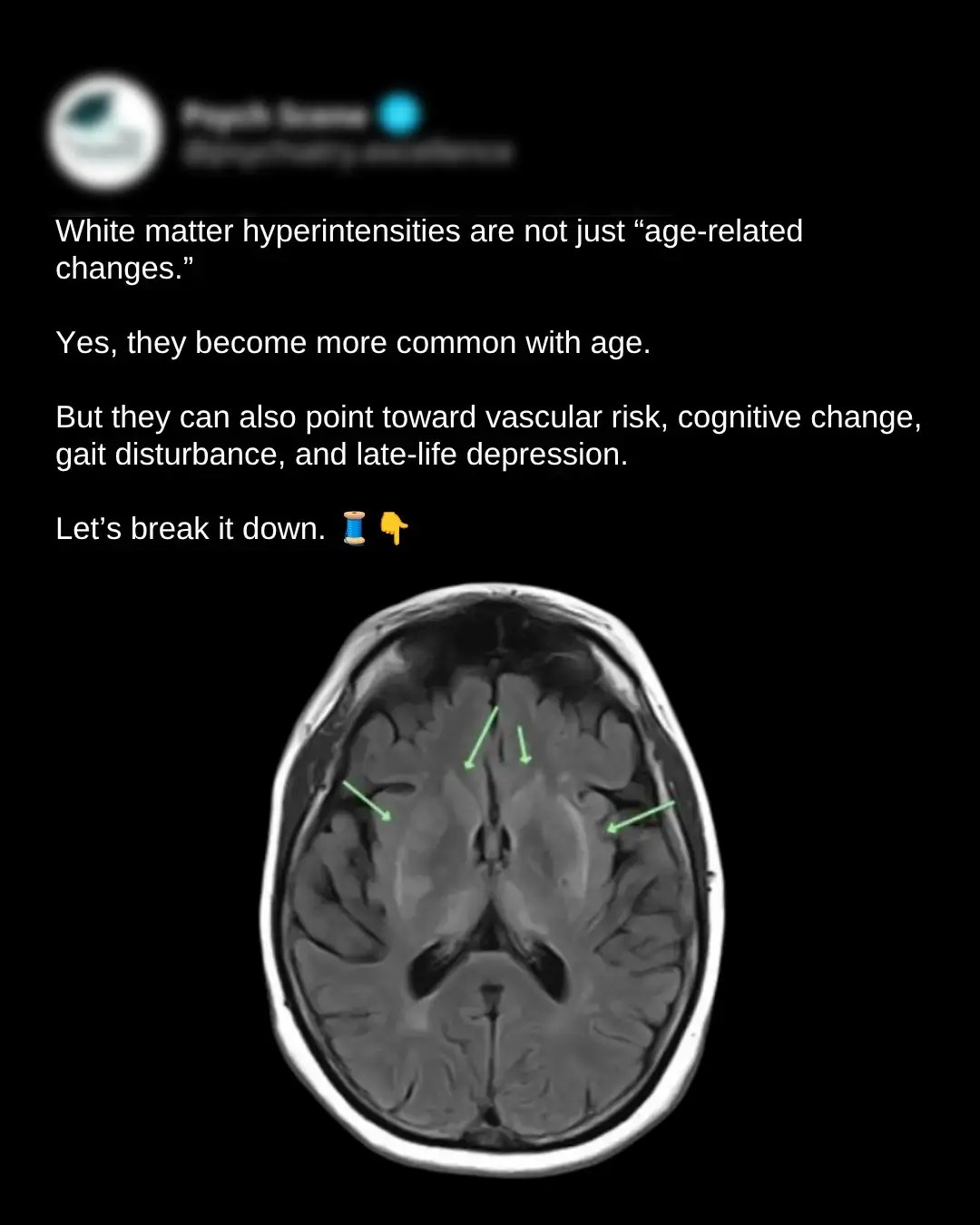
A hook is the first attention-grab. It should stop the scroll and signal relevance. Below are the main types of hooks.
1. The “Isn’t Just” Hook
This hook challenges a simplistic or incomplete belief.
Example:
ADHD isn’t just hyperactivity.
The example highlights inattention as well as hyperactivity and impulsivity. Source: NIMH’s ADHD overview.
Why it works:
- It creates tension.
- It challenges a common assumption.
- It attracts readers who either agree strongly or want to understand why.
This type of hook is especially strong for educational brands because it positions the content as a clarification or correction of a familiar misunderstanding.
2. The Stat Hook
Example:
In one 2021 study, roughly one in three people had a neurological or psychiatric diagnosis recorded within six months after COVID-19.
The 33.62% figure includes first and subsequent diagnoses; 12.84% received their first such diagnosis. This was an observational health-record study, not proof that COVID-19 caused every diagnosis. Source: Taquet et al., 2021.
Why it works:
- It is specific.
- It signals scale.
- It creates urgency.
- It instantly adds weight and authority.
A good stat hook makes the audience feel the topic is bigger, riskier, or more important than they assumed. It also works well because numbers are visually sticky. People notice them more quickly than abstract claims.
3. Question-Based Hook
Examples:
Which antidepressants show stronger response in the research—and why does that not settle the choice for an individual? Did Freud predict the brain’s hidden architecture?
A historical analogy should be qualified and supported. A provocative question is not proof that an earlier theory predicted a later finding.
Why it works:
- It creates an open loop.
- It pulls the reader into an unresolved question.
- It makes the audience mentally engage before reading on.
Question hooks work best when the answer feels relevant and worth knowing. A weak question creates curiosity without value. A strong question creates curiosity because the answer matters.
4. The Contrarian Hook
This type of hook pushes against a common expectation.
Example:
The most effective antidepressant in a comparison is not necessarily the best choice for every individual.
Why it works:
- It introduces tension.
- It signals nuance.
- It suggests the post will go beyond simplistic advice.
Contrarian hooks work best when the contradiction is meaningful, not forced. The goal is not to be controversial for attention. The goal is to reveal a more useful way of thinking.
5. The Hidden Risk Hook
Example:
Gabapentinoids can carry risks of misuse and dependence, alongside their therapeutic uses.
Source: TGA safety alert on pregabalin and gabapentin.
Why it works:
- It frames the topic as important.
- It highlights consequences.
- It makes the thread feel practically relevant.
This can work especially well in clinical, legal, financial, or other risk-sensitive niches. The reader keeps going because the cost of misunderstanding the topic feels higher.
6. The Trade-Off Hook
Example:
The best-performing option is not always the best option to choose.
Why it works:
- It creates tension.
- It signals nuance.
- It attracts readers who need to make better decisions, not just collect information.
Trade-off hooks are especially useful for expert-led content because many professional decisions are not about finding the single “best” answer. They are about understanding context, risk, benefit, and application.
Give your thread hook context
The hook opens a question. Context gives the reader a reason to take that question seriously. Choose the kind that supplies the missing information, rather than stacking every kind into the opening.
The contextualiser answers one question:
Why should the reader care? It sits between the hook and the curiosity provoker and gives the hook substance. Without it, a hook can feel empty, overstated, or disconnected from any real payoff.
1. Authority-Based Contextualiser
This uses a study, dataset, expert consensus, meta-analysis, or other credible source.
Example:
A 2018 network meta-analysis compared 21 antidepressants across 116,477 participants.
Source: Cipriani et al., 2018. Use the study date and population when presenting a research example.
Why it works:
- It builds trust.
- It grounds the hook.
- It signals that the thread is evidence-based.
This is especially important when your audience is expert, sceptical, or used to evaluating claims critically.
2. Mechanism-Based Contextualiser
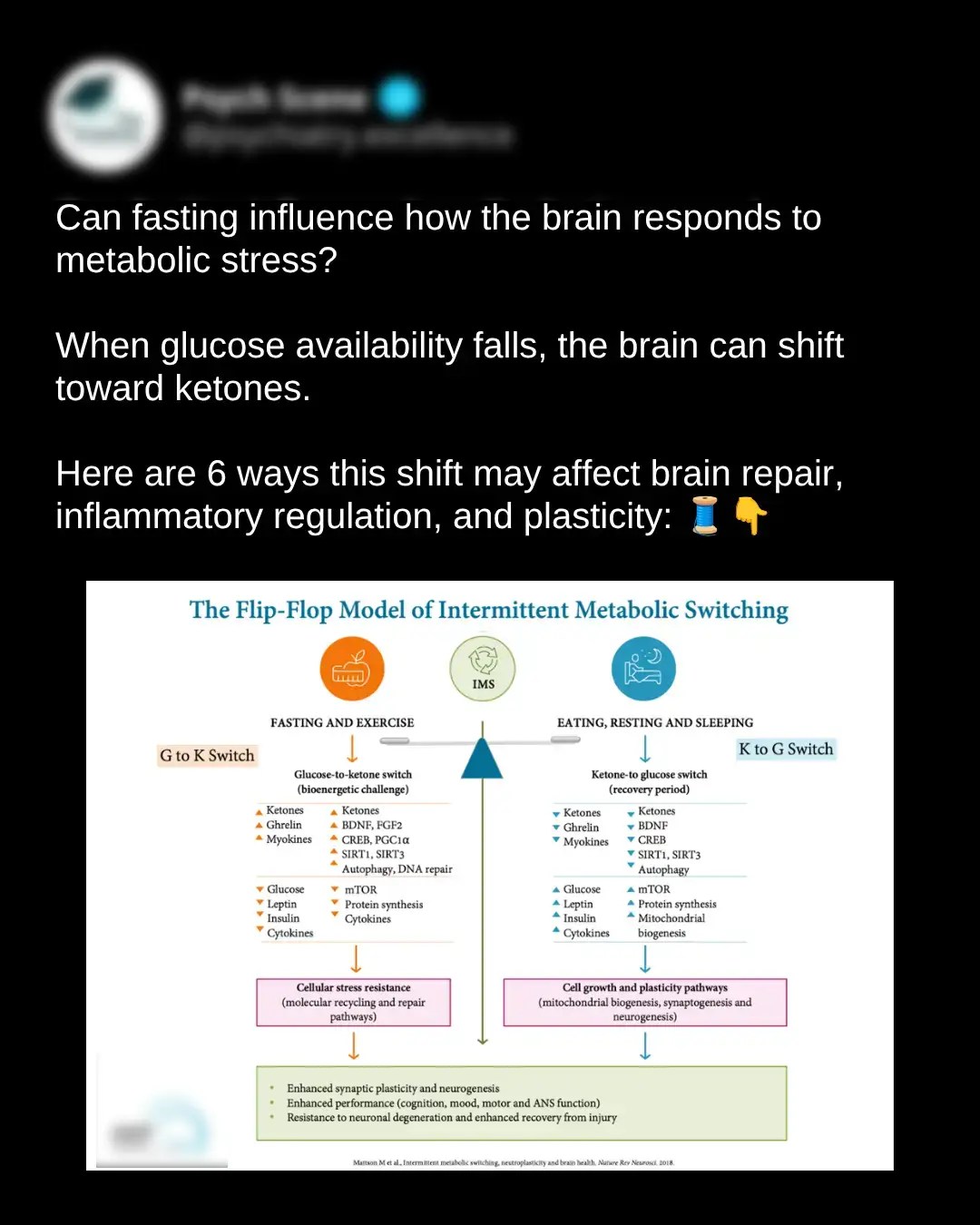
This explains the biological, psychological, strategic, or practical mechanism behind the issue.
Example:
The analysis looks at response and treatment discontinuation. Those outcomes answer different questions.
Why it works:
- It deepens the topic.
- It makes the thread feel more insightful.
- It signals that the post will explain more than surface-level facts.
Mechanism-based contextualisers work well when the audience values understanding why something happens, not just that it happens.
3. Tension-Based Contextualiser
This highlights a conflict, contradiction, or practical problem.
Example:
The therapeutic benefits sit alongside recognised risks of misuse and dependence.
Why it works:
- It introduces friction.
- It builds urgency.
- It adds movement into the next line.
Tension is one of the most useful tools in thread writing because it gives the reader a reason to continue. No tension usually means no momentum.
4. Outcome-Based Contextualiser
This frames the stakes in terms of what the audience can gain, avoid, improve, or understand.
Example:
This evidence can help inform how you interpret a treatment comparison.
Why it works:
- It links information to action.
- It increases practical relevance.
- It makes the thread feel immediately useful.
Outcome-based contextualisers are especially useful for professional audiences because they connect knowledge to decisions.
Promise a reason to keep reading the thread
With the question and its relevance established, show what the reader will get by continuing. The promise should match what the body actually delivers.
The curiosity provoker opens the loop and pushes the reader into the rest of the thread.
This line often appears as:
- Here’s what the study shows.
- Here’s how it works.
- Let’s break this down.
- Here are the key findings.
Simple? Yes. Important? Very. A curiosity provoker does not need to be clever.
It needs to make continuation feel obvious.
1. The “Here’s What You’ll Learn” Curiosity Provoker
Example:
Here’s what the study shows.
Why it works:
- It is clear.
- It is low-friction.
- It tells the reader what happens next.
This is often enough if the hook and contextualiser are already strong.
2. The Hidden Mechanism Curiosity Provoker
Example:
Let’s break down what the model explains, what it leaves out, and why the distinction matters.
Why it works:
- It implies deeper understanding.
- It creates intellectual curiosity.
- It makes the content feel layered and valuable.
This works well for audiences who value explanation and depth.
3. The Practical Transformation Curiosity Provoker
Example:
Here is how to interpret the comparison without turning it into a universal prescribing rule.
Why it works:
- It promises usefulness.
- It links information to action.
- It makes continuation feel worthwhile.
This works especially well for professional audiences.
Choose an image that supports the first thread post
The text has established the idea. The visual should help someone notice or understand that same idea, rather than introduce a separate message.
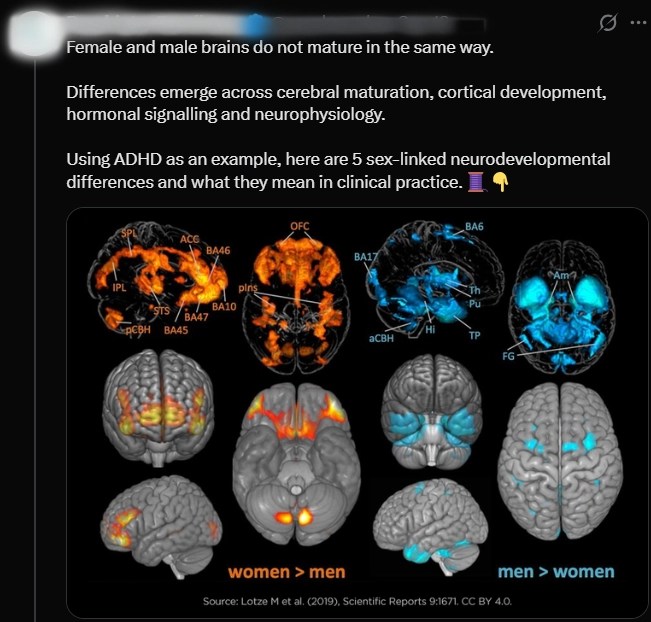
For educational and authority-building threads, a strong first-post image often improves stopping power, perceived quality, and comprehension. It is not always mandatory. But when used well, it can strengthen the thread significantly.
The main jobs of a first-post image are to:
- stop the scroll
- increase perceived quality
- support comprehension
- reinforce the hook
A weak image distracts. A strong image amplifies.
Good Image Types
1. Educational Graphic
Examples:
- brain diagrams
- clinical comparison tables
- visual summaries
- mechanism graphics
- framework diagrams
Best for authority-led educational threads. Educational graphics work well when the visual makes the idea easier to understand quickly.
2. Pattern Interrupt Graphic
This is usually a bold, simple, high-contrast visual. It is not trying to explain everything. It is trying to grab attention and reinforce the theme.
Best for hooks that need stronger stopping power. A pattern interrupt graphic should still be relevant. Attention without relevance creates clicks without trust.
3. Scenario or Case Image
This is useful in case study threads.
Examples:
- a clinical setup
- a decision pathway
- a patient journey visual
- a client scenario
- a before-and-after situation
This works when you want to create narrative interest. The reader sees the image and immediately understands that the thread is about a real-world situation.
4. Data Visualisation
Examples:
- charts
- comparison tables
- ranking visuals
- risk diagrams
- before-and-after metrics
This works well when the thread is built around evidence, outcomes, performance, or decision-making. Data visualisation is especially useful when the image helps the reader understand the main contrast faster than words alone.
Rules for a Good First-Post Image
A good first-post image should:
- support the thread, not compete with it
- communicate its main idea quickly, including on a phone
- avoid clutter
- match the seriousness or tone of the content
- make the thread feel more credible or engaging
If the image makes the post harder to process, it is a bad image.
Using statistics in a thread without losing the meaning
Numbers can strengthen both the hook and its context. Treat them as part of the explanation: choose the statistic that makes the idea clearer, and keep the information needed to interpret it.
Stats are one of the highest-leverage tools in thread writing. But they only work when used correctly. A stat should not just be accurate.
It should change how the reader sees the issue.
What Makes a Stat Powerful?
A powerful stat is:
- surprising
- relevant
- concrete
- easy to interpret
- meaningful to the audience
Compare these:
Weak:
Many people struggle with post-COVID symptoms.
Strong:
In one 2021 study, roughly one in three people had a neurological or psychiatric diagnosis recorded within six months after COVID-19.
The statistic concerns diagnoses recorded in a particular study, including first and subsequent diagnoses. Keep that context beside the claim. Read the study.
The second works better because it is specific, measurable, and harder to ignore.
The Main Types of Useful Stats
1. Scale Stats
Example:
116,477 participants in the 2018 antidepressant review.
Why it works:
It signals robustness and authority. Scale stats are useful when the size of the evidence matters.
2. Risk Stats
Example:
Roughly one in three in the study population—not necessarily one in three in every population.
Why it works:
It increases urgency and makes the topic feel significant. Risk stats are useful when the reader needs to understand the seriousness or likelihood of a problem.
3. Comparative Stats
Example:
An odds ratio of 2.13 represents 113% higher odds, not 113 percentage points or 113% more people responding.
In the antidepressant review, 2.13 was the reported odds ratio for amitriptyline versus placebo for response. Odds are not the same as probability. Read the source.
Why it works:
It creates contrast and makes the point more memorable. Comparative stats are useful because people often understand differences more easily than isolated numbers.
The Rule for Stats
Do not use a stat just because you have one.
Use it when it increases:
- curiosity
- credibility
- relevance
- memorability
If it is technically accurate but does not strengthen the thread, it probably does not belong in the hook.
A useful statistic needs the source, population, timeframe and comparison. Do not turn an association into a causal claim, or remove a qualification that changes the meaning. Scale can support credibility, but sample size alone does not establish study quality.
The opening has made a promise. Now the body needs to fulfil it, one purposeful post at a time.
Build a body that keeps earning attention
Once the first post has done its job, the rest of the thread must deliver. This is where many writers lose momentum. They start strong, then become repetitive, vague, or overly detailed.
The first post earns attention. The body has to keep earning it.
Each post in the body should do at least one of the following:
- add a new insight
- clarify something
- deepen understanding
- make the topic more practical
- increase credibility
- build narrative momentum
If a post does not do one of these, it is probably unnecessary.
Give the thread a clear progression
The thread should feel like it is moving somewhere.
A common progression is:
- Introduce the issue.
- Explain the mechanism or concept.
- Break down the key points.
- Translate into practical meaning.
- Summarise the main lesson.
- Direct toward the CTA.
This is a teaching sequence: first establish why the topic matters, then help the reader understand it, then show what that understanding means in practice. The exact order can vary, but the reader should feel that each post follows from the one before it.
How to write thread posts that keep people reading
Middle posts matter because they give readers reasons to continue. The hook gets attention. The middle keeps it.
1. One Main Idea Per Post
Do not overload a single post with too many separate ideas. Each post should have one clear purpose. If a post contains three ideas, it often becomes harder to understand and harder to remember.
2. Add New Value, Not Restatement
Do not keep rephrasing the same point. Each post should expand the thread meaningfully. A reader should feel that every post gives them a reason to continue.
3. Alternate Density
If every post is equally dense, the thread becomes tiring.
Mix:
- data
- explanation
- bullets
- takeaways
- examples
- short summary lines
This gives the thread rhythm. A dense post followed by another dense post creates fatigue. A dense post followed by a short clarifying post creates momentum.
4. Use Mini Payoffs
Every few posts, give the reader something useful enough to justify continuing.
Examples:
- a practical tip
- a striking comparison
- a clinical implication
- a strategic lesson
- a summary statement
Mini payoffs matter because readers are constantly deciding whether to keep reading. Do not save all the value for the end.
The reader’s journey through a thread
- Earn attentionHook + context + a useful promise
- Keep earning itExplanation + evidence + small payoffs
- Create closureThe main lesson and its practical meaning
- Offer a next stepA relevant resource, learning offer or action
Every post needs a job
A post in a thread should never exist just because “the thread needed another post”. Every post needs a function.
Possible functions include:
- hook
- context
- explanation
- evidence
- illustration
- practical takeaway
- summary
- CTA
If a post has no clear job, it weakens the structure.
The body has now delivered the explanation. Before asking the reader to take another step, bring that explanation back to its main lesson.
Close the thread with a takeaway and relevant next step
The penultimate post
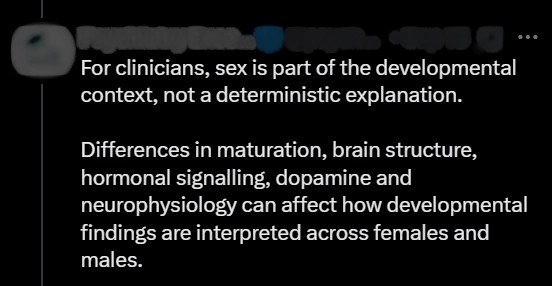
The second last post is often underrated. It acts as the bridge between the educational part and the call to action.
A strong second last post usually does one of three things:
- summarises the key lesson
- re-emphasises the practical value
- raises the stakes of the topic
Examples:
Comparing treatment response and acceptability means understanding both what each measure captures and what it does not. A relevant takeaway helps the reader apply the distinction without turning it into an oversimplified rule. The useful outcome may be a better question, rather than an immediate action.
This post creates closure without fully ending the thread. It prepares the reader for the CTA.
The final post and call to action
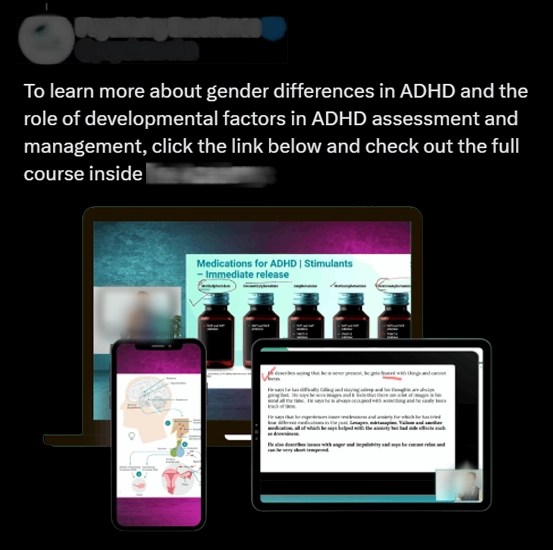
The CTA should feel like a natural continuation of the thread. It should not feel bolted on. If the thread is educational, the CTA should extend the education.
That might be:
- a course
- an article
- a resource
- a newsletter
- a webinar
- a product
- a consultation
- a service
For service businesses, the CTA should not feel like a sudden pitch. It should feel like the next logical step after the problem the thread has just explained.
A Good CTA Does 3 Things
It reinforces the value of the topic. It makes the next step feel relevant. It gives a clear direction.
Weak CTA:
Check out our course below.
Stronger CTA:
Like this thread shows, the topic is not just about knowing the categories. It is about knowing how to tell them apart, what implications they have, and what to do next. That is a huge part of getting this topic right in practice.
We cover a step-by-step system for this in our course. The second CTA is more clearly connected to the thread’s promise. That is the writing distinction here, rather than a measured comparison of conversion rates. It does not interrupt the thread.
It completes it.
If the next step is an ongoing learning relationship, a relevant newsletter can fit. That is where email marketing connects with educational social content: the promise made in the thread should continue in the emails.
You have a complete sequence. The editing pass now checks whether a reader can move through it easily and leave with something useful.
Edit your thread for readability and practical value
A draft can contain all the right parts and still feel difficult to read. This is where the six stats become an editing tool: check the reading experience, not just whether the information is present.
Make the thread scannable and readable
Many threads fail not because the ideas are bad, but because the writing is hard to consume. It can be the difference between someone entering the explanation and skipping past it. People do not read social media the way they read books.
They scan first. Then they decide whether to commit.
Scannability Is Visual
Scannability is about how easy the post is to process at a glance.
Example:
Poor:
A research comparison can rank response and also report treatment discontinuation, but those measures answer different questions and should not be treated as interchangeable.
Better:
A comparison can rank treatment response.
It can also report treatment discontinuation.
These are different measures.
The information is the same. The shorter groups make the distinction easier to see before the reader works through its meaning.
Rules for Scannability
- Keep paragraphs short.
- Use line breaks generously.
- Use bullets when useful.
- Avoid walls of text.
- Separate ideas cleanly.
- Use formatting to guide the eye.
Scannability does not make content shallow. It makes content easier to enter.
Readability Is Cognitive
Scannability and readability are related, but not identical. Scannability is about visual processing. Readability is about cognitive processing.
A thread can be visually clean but still mentally tiring if the language is too dense, abstract, or bloated.
How to Increase Readability
- Use plain language where possible.
- Define technical terms when needed.
- Remove redundant words.
- Prefer strong verbs over weak phrasing.
- Keep sentence structures clean.
- Do not stack too many ideas into one post.
Example:
Harder to read:
The optimisation of content discoverability requires the alignment of messaging with audience-specific informational requirements.
Easier to read:
Make your content easier to find by answering the questions your audience is asking. The underlying idea is similar. One is simply easier to read.
The goal is not to dumb down the idea. The goal is to remove unnecessary friction.
Check that the thread gives the reader something useful
People do not just share information. They share usefulness. A thread that teaches something interesting may get likes.
A thread that helps someone do something often gets saves and shares.
That is why many strong educational threads include some form of practical translation, such as:
- clinical tips
- decision-making guidance
- real-world examples
- warnings
- action points
- interpretation help
Practical Value Can Look Like
- What clinicians should look for.
- How this changes prescribing.
- What to monitor.
- What to do differently.
- How to apply this insight.
- What mistake to avoid.
- How to think about the decision.
Ask what the reader can do with the idea.
“What can the reader do with this?” If the answer is “not much”, consider whether a concrete example, distinction or application would make it more useful.
The strongest threads do not just make the reader think:
“That was interesting.”
They make the reader think:
“I can use this.”
If your source is a webinar or recorded explanation, select the useful idea before choosing the format. Our YouTube and video marketing service approaches that source material through video; a thread needs a sequence suited to reading.
Common mistakes when writing threads
1. Weak Hook, Strong Body
This is very common. Good information gets wasted because the first post is not compelling enough. The body might be useful, but most people never reach it.
2. Overexplaining Too Early
If the first post feels like a mini essay, curiosity drops. Start with tension, not full explanation.
- The opening should create a reason to continue.
- The body can do the explaining.
3. Too Much Density
A thread can be accurate and still underperform if it is cognitively heavy. Dense content creates friction. Friction reduces completion.
4. Repetition Without Progression
If multiple posts say roughly the same thing, readers drop off. Each post should move the idea forward. Repetition can be useful for emphasis, but not when it replaces progression.
5. Not Enough Practical Value
Interesting is good. Useful is better. If the reader cannot apply, remember, share, or use the idea, the thread may struggle to create meaningful engagement.
6. Generic CTA
A weak CTA lowers the commercial value of the thread. If the CTA does not connect to the topic, it feels like an interruption. The best CTAs extend the value of the thread.
7. Broad Topic Without a Sharp Angle
- “Depression and antidepressants” is broad.
- “What does an antidepressant ranking tell you—and what does it leave out?” is sharper.
Angle matters. The topic tells the reader what the thread is about. The angle tells them why they should care.
What to check from the reader’s perspective
Use the following as a final reader-focused check after drafting and editing.
1. They Start With a Sharp, High-Relevance Hook
- Not vague.
- Not broad.
- Not passive.
The hook should make the right reader feel that the thread is for them.
2. They Ground the Topic Quickly
Usually with a stat, study, tension point, mechanism, or practical outcome. This prevents the hook from feeling like empty attention-grabbing.
3. They Promise a Payoff
The reader knows there is a reason to continue. They can sense that the thread is leading somewhere useful.
4. They Are Easy to Scan
Formatting matters. If the content looks difficult to read, many people will not even start.
5. They Combine Information With Usefulness
This is a major one. High-performing threads are rarely just interesting. They are often useful.
They help the reader understand, decide, explain, apply, or act.
6. They Have a Strong Topic-Angle Match
Not just a good topic. A good angle on the topic. That is often what separates average content from content that performs.
The following rewrite brings those choices together. Notice how the reader’s path changes even though the research topic stays the same.
Worked example: the same topic, a stronger sequence
It is one thing to understand the principles. The example below shows how the same research can be organised into a flatter summary or a clearer sequence. It uses a clinical education topic, but the writing principles apply to other expert-led industries. These are illustrative rewrites, not a published A/B test or evidence of measured performance.
Nothing about the topic changes.
What changes is the reader’s experience:
- how quickly curiosity is created
- how clearly the value is communicated
- how the information is structured
- how easy it is to read
- how useful the thread feels
Research source: Cipriani et al. (2018), comparative efficacy and acceptability of 21 antidepressants. The example illustrates writing and interpretation, not an individual treatment recommendation.
Example topic: interpreting antidepressant efficacy and acceptability
Weaker Version
Antidepressants are commonly used in clinical practice, and comparative research can examine response and acceptability. A 2018 network meta-analysis compared 21 antidepressants in 116,477 participants. The results showed that some antidepressants performed better than others in terms of response rates and acceptability.
Here are some of the key findings from the study. The review found that all 21 antidepressants were more effective than placebo for response in the included trials. It also reported differences between drugs.
Acceptability was assessed through discontinuation for any cause. This is not a direct measure of side effects alone. The outcomes and limitations need to be considered when interpreting the comparisons.
This study is important because it includes a large number of trials and provides comparative data. A group-level ranking does not determine the best treatment for every individual.
Why this version gives the reader less reason to continue
1. The Hook Does Not Create Tension
“Antidepressants are commonly used…”
This is true, but it does not:
- challenge a belief
- create curiosity
- signal a clear payoff
There is no strong reason to continue reading.
2. The Value Is Delayed
The thread explains the study before making it clear why the findings matter. The reader is asked to invest attention before understanding the benefit.
3. The Structure Feels Like an Article
This is the key issue.
It reads like:
paragraph broken into posts
instead of:
sequence of ideas designed to be consumed quickly. Threads are not articles cut into pieces. They need their own structure.
4. Scannability Is Too Low
Even when the findings are listed, the ideas are:
- not contrasted clearly
- not broken into distinct units
- not visually engaging
The reader has to work harder than necessary.
5. The Practical Payoff Is Weak
The thread tells the reader:
“Consider efficacy and acceptability.”
But it does not help them:
- see the trade-offs clearly
- make a decision
- remember the differences
The idea is correct, but the execution is flat.
A clearer sequence
- First post · question, context and promise
Which antidepressants show stronger response—and why does that not settle the choice for an individual?
A 2018 review compared 21 drugs in 116,477 participants.
Here is how to read the trade-off.
- Post 2 · establish the finding
All 21 drugs were more effective than placebo for response in the included trials. But response is only one outcome.
- Post 3 · introduce the comparison
The review also compared acceptability: whether people stopped treatment for any reason.
- Post 4 · clarify the measure
Stopping treatment is not a measure of side effects alone. Keep the outcome definition in view when reading the ranking.
- Post 5 · make the distinction visible
Response: did symptoms improve?
Acceptability: did people continue treatment?
- Post 6 · show the trade-off
A treatment comparison can help explain differences between groups. It cannot remove the need to understand the individual and the wider clinical context.
- Post 7 · practical interpretation
Read the method and limitations alongside the ranking. Ask what the study measured before deciding what a result means.
- Penultimate post · main lesson
The more useful question is not simply “Which is best?”
It is “Best for whom, for which outcome, and under what conditions?”
- Final post · relevant next step
Explore the original paper to understand the comparison and its limitations. The source is part of the explanation, rather than decoration for the hook.
Why this rewrite is clearer
1. Stronger Hook
“Which antidepressants show stronger response—and why does that not settle the choice for an individual?”
This works because:
- it creates a clear comparison
- it implies a surprising answer
- it directly relates to decision-making
The reader immediately understands why the topic matters.
2. Earlier Payoff
By the first few posts, the reader already understands:
- there are meaningful differences
- this matters when interpreting the evidence
- the thread will help clarify the trade-off
There is no delay in value.
3. Contrast Is Used Repeatedly
Instead of simply listing information, the thread uses contrast:
- response versus acceptability
- a group-level comparison versus an individual decision
- a ranking versus the question it can actually answer
Contrast gives the writer a way to improve:
- clarity
- memory
- engagement
The comparison makes the distinction easier to see than an isolated list of findings.
4. Scannability Is Much Higher
Compare the weak version:
- dense sentences
- minimal visual separation
- low contrast
With the stronger version:
- short lines
- clear grouping
- visible hierarchy
- stronger pacing
This reduces friction significantly.
5. The Thread Helps the Reader Decide
This is the biggest difference. The weak version describes findings. The rewrite shows the reader how to interpret the findings.
That gives them something useful to:
- save
- share
- discuss or apply when reading research
6. The Language Is More Direct
Compare:
“Some drugs performed better.”
with:
“The comparison measured response and discontinuation; they answer different questions.”
The second is:
- clearer
- more concrete
- easier to remember
Direct language does not mean careless language. It means removing unnecessary fog.
Side-by-side breakdown
| Element | Flatter version | Clearer version |
|---|---|---|
| Hook | General statement | Specific question with a useful distinction |
| Curiosity | Answer and stakes are delayed | An unresolved question with a clear purpose |
| Structure | Summary broken into posts | A sequence where each post has a job |
| Scannability | Limited hierarchy | Short groups and visible contrasts |
| Language | General and indirect | Direct, while keeping the qualifications |
| Practical value | Implied | A concrete way to interpret the research |
| Decision support | Broad instruction | Clearer questions and limits |
The rewrite shows the framework in action. Here is how to use it as a repeatable process for the next thread you create.
How to write threads consistently: a seven-step process
You have seen the parts separately and in a complete rewrite. Use this seven-step process to put them into practice without trying to solve every writing decision at once.
Step 1: Identify the Core Topic
What is the thread about? Be specific.
Not:
Antidepressants. Antidepressants. How to interpret comparative efficacy and acceptability in antidepressant research.
The more specific the topic, the easier it is to find a strong angle.
Step 2: Identify the Best Angle
Ask:
- What is surprising here?
- What is practically useful here?
- What would make the right audience stop scrolling?
- What misconception can be challenged?
- What tension exists in the topic?
- What trade-off does the audience need to understand?
A strong angle turns information into content.
Step 3: Choose the Format
Should this be:
- numbered
- concept-based
- case study-based
Let the source material decide. If the content is a list, use a numbered thread. If the content is an explanation, use a concept thread.
If the content is best shown through an example, use a case study thread.
Step 4: Write the First Post First
Build:
- hook
- contextualiser
- curiosity provoker
- image concept
Spend more time here than most people think is necessary. It is the highest-leverage part of the thread. A weak first post wastes a strong body.
Step 5: Outline the Body Before Writing
List the posts roughly before drafting them.
For example:
- Post 1: Hook
- Post 2: Why it matters
- Post 3: Mechanism
- Post 4: Key finding
- Post 5: Implication
- Post 6: Practical takeaway
- Post 7: Summary
- Post 8: CTA
This prevents rambling and repetition. A thread should feel built, not spilled out.
Step 6: Draft for Value, Then Edit for Performance
First draft:
Focus on substance.
Second draft:
Focus on performance.
That means improving:
- scannability
- curiosity
- clarity
- pacing
- emphasis
- usefulness
The first version gets the thinking down. The second version makes it readable, engaging, and useful.
Step 7: Remove Anything That Does Not Earn Its Place
This is where most threads improve the most.
Ask of every line:
- Does this increase curiosity?
- Does this improve clarity?
- Does this add value?
- Does this build relevance?
- Does this make the thread easier to understand?
If not, remove it or rewrite it.
The complete thread framework
A high-performing thread is usually built from the following sequence.
First Post
- Hook
- Contextualiser
- Curiosity provoker
- Image or visual asset
The first post earns attention.
Middle Posts
- New information
- Clear progression
- Evidence
- Examples
- Practical implications
- Mini payoffs
The middle posts keep attention.
Second Last Post
- Summary
- Key practical lesson
- Main implication
- Reinforced stakes
The second last post creates closure.
Final Post
- Relevant CTA
- Next step
- Resource
- Offer
- Newsletter
- Course
- Article
- Service
The final post directs attention somewhere useful.
High-performing threads are not just written. They are designed. The strongest threads are not necessarily the ones with the most information.
They are the ones where the information has been:
- structured well
- prioritised correctly
- made easy to consume
- made useful to the right audience
If you get that right consistently, you do not need every post to go viral. You just need your average to keep going up.
After publishing, compare several threads over comparable reporting periods. Look at the audience response and the action each thread was meant to support, alongside impressions. A different result may reflect topic, timing, distribution or audience size as well as writing. Use the pattern to inform the next draft.
Plan the idea, build the sequence, then edit the reading experience. That is how the framework becomes a habit you can improve over time.
FAQs about writing threads for X and Threads
How do you write a high-performing thread?
To write a high-performing thread, focus on structure rather than just content.
A strong thread typically includes:
- a first post that creates curiosity and signals relevance
- a clear progression of ideas
- high scannability
- practical value
- a sharp angle
- a relevant CTA
These are practical writing choices to test and refine for your own audience, rather than guarantees of reach.
What makes a thread useful on X or Threads?
A thread performs well when it gives people a reason to start reading and a reason to continue.
The main drivers are:
- curiosity
- audience relevance
- clear structure
- readability
- practical usefulness
- novelty of angle
The first post gets attention. The body earns retention. The final post directs the reader toward the next step.
How do you write a good hook for a thread?
A good hook:
- captures attention immediately
- signals relevance to a specific audience
- creates curiosity or tension
- points toward a useful payoff
Effective hook formats include:
- challenging an assumption
- using a statistic
- asking a sharp question
- highlighting a mistake
- showing a hidden risk
- revealing a trade-off
The goal is not to explain everything. The goal is to give the reader a reason to continue.
Why is the first post so important in a thread?
The first post is the main entry point you can design. If it does not capture attention, feel relevant or create curiosity, readers have little reason to continue. The body can be useful and still lose potential readers at the opening. Other posts may also be encountered separately, so each needs enough context to make sense.
This is why the first post deserves more time and attention than most people give it.
How long should a thread be?
Five to twelve posts can be a useful planning range, but it is not a universal optimum or a claim about what performs best. Length depends on clarity and value.
A thread should be:
- long enough to deliver a clear idea
- short enough to maintain attention
Each post should have a purpose. If it does not add value, remove it.
What are the main types of threads?
The three main types of threads are:
- Numbered threads
- Concept threads
- Case study threads
Numbered threads work well for lists, steps, lessons, mistakes, or findings. Concept threads work well for explaining ideas, mechanisms, frameworks, or models. Case study threads work well when the idea becomes clearer through an example or scenario.
The best format depends on the type of content and the goal of the thread.
How do you make a thread more shareable?
Threads become more shareable when they are useful.
That usually means they help the reader:
- understand something clearly
- make a better decision
- avoid a mistake
- explain an idea to someone else
- apply a concept in practice
Content that improves how someone thinks, decides, or communicates is more likely to be saved and shared.
What is the biggest mistake when writing threads?
The biggest mistake is usually a weak first post.
Other frequent issues include:
- unclear topics
- generic angles
- too much density
- poor scannability
- repetition without progression
- lack of practical value
- a CTA that feels disconnected
Start by checking the framing and structure before assuming the underlying expertise is the problem.